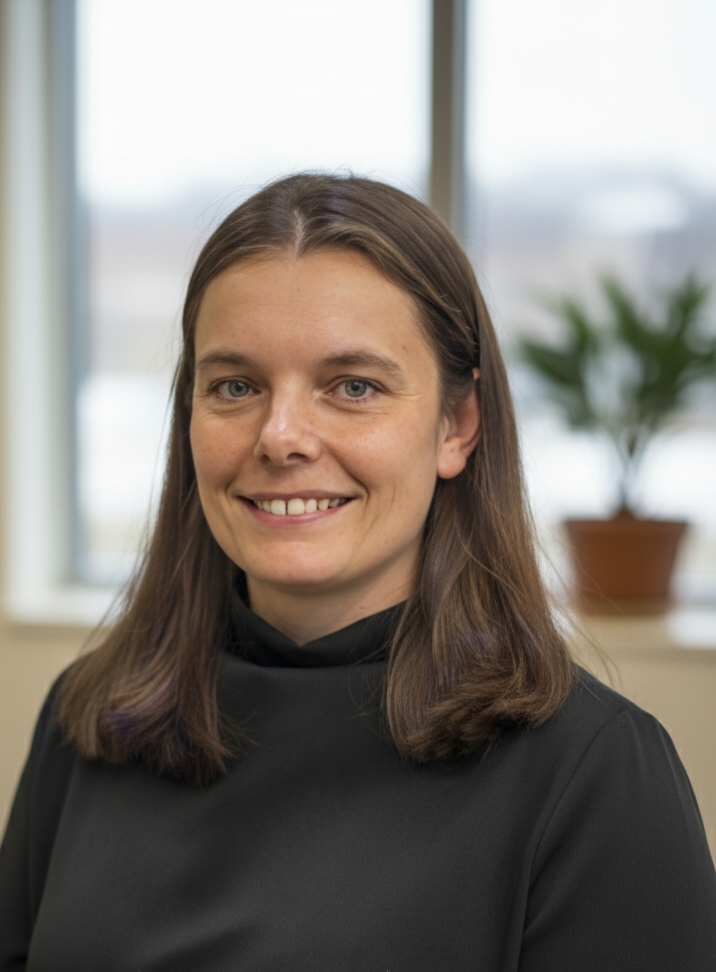
 Mary Skow ’07, PhD, is the agency risk management officer at the National Aeronautics and Space Administration (NASA), where she has worked for more than 15 years. When she isn’t overseeing NASA’s holistic enterprise risk management (ERM) framework to ensure that strategic decisions, from mission planning to resource allocation, are risk-informed and aligned with national objectives, she finds the time to volunteer with the University of Rochester. Skow volunteers as a Real Reader, reviewing student resumes, mentors with The Meliora Collective, and signs up for whatever else she can fit into her busy schedule.
For Skow, volunteering is a way to recognize and continue the support she received from the University during her early academic and professional journey, inspiring her to give back and support current and prospective students like herself.
As a non-traditional student, Skow transferred to the University after two years at Monroe Community College, all while working full-time at a local café. One day, a casual conversation with a customer, who turned out to be a professor at the Simon Business School, changed everything. “I told him I was applying to the University to study chemical engineering,” she recalled. “He offered to write me a letter of recommendation right there. He was one of the main reasons I was accepted.”
I believe that it’s my duty and my job to help everyone succeed if I can.
Early in her career, Skow sought a way to give back, even while working as a civil servant with student loans. That’s when she was introduced to the Real Reader program. She had experience reviewing resumes and working with interns and felt it was the right opportunity to help. “That was how I got my start volunteering, and once I found out about the mentorship program with The Meliora Collective, I joined immediately,” Skow said.
It’s become something she’s passionate about and enjoys, “I usually work with two Real Readers each semester, and, for the last three years, have had at least one mentee each semester.”
“I love mentoring because it helps the student.” Skow went on to add the personal benefit, “But it ultimately helps you, the mentor. When you volunteer, you feel good at the end of it. It’s beneficial to everyone.”